
Dried turmeric is one of the most traded spices globally, valued for its stability, uniformity, and wide industrial application. For export buyers and bulk purchasers, understanding how dried turmeric is processed, graded, and handled is essential to ensure consistent quality, regulatory compliance, and cost efficiency.
This brief is written specifically for importers, food manufacturers, spice blenders, nutraceutical companies, and bulk distributors.
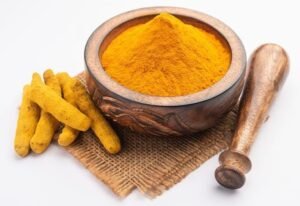
1. What Dried Turmeric Means in Commercial Trade
In export terms, dried turmeric refers to fully cured and dehydrated turmeric rhizomes processed to achieve safe moisture levels for long-term storage and transport. It is supplied either as:
- Whole dried fingers (raw or polished)
- Crushed or sliced
- Ground turmeric powder (single-origin or blended)
Drying converts a highly perishable root into a stable commodity with predictable performance in processing and formulation.
2. How we process turmeric?
Turmeric Manufacturing Process
Pure • Hygienic • Traditional Quality with Modern Technology
At Venkon Agro Food Pvt. Ltd., we follow a carefully controlled and highly hygienic process to manufacture premium quality turmeric. From farm selection to final packing, every step ensures purity, natural color, and rich aroma.
- Sourcing from Trusted Farmers
We procure fresh, high-quality raw turmeric directly from selected farmers. The turmeric roots are carefully chosen for their strong color, natural curcumin content, and freshness.
- Cleaning & Washing
The raw turmeric fingers are thoroughly cleaned to remove soil, dust, and impurities. We use clean water and hygienic handling methods to ensure food safety.
- Boiling Process
Clean turmeric is boiled under controlled temperature. This step helps in enhancing color, improving texture, and preparing turmeric for proper drying.
- Hygienic Machine Drying
Unlike traditional open drying, we use modern drying machines in a high-hygiene environment. This protects turmeric from dust, insects, and contamination while maintaining natural nutrients and color.
- Controlled temperature
- Uniform drying
- Clean, closed system
- Polishing
After drying, turmeric fingers are polished to remove the rough outer surface and improve appearance while maintaining natural quality.
- Grinding (Traditional + Modern)
Dried turmeric is ground using advanced grinding machines that maintain the natural aroma, bright color, and strong flavor.
We ensure:
- No chemicals
- No artificial color
- No preservatives
- Quality Check
Each batch goes through strict quality inspection for:
- Color
- Aroma
- Moisture level
- Purity
Only the best quality turmeric moves to packaging.
- Hygienic Packaging
Turmeric powder is packed in food-grade, moisture-proof packaging to keep it fresh for a long time. Our packaging is suitable for both domestic and export markets.
Types of Dried Turmeric:
- Whole dried fingers (raw or polished)
- Crushed or sliced
- Ground turmeric powder (single-origin or blended)
Drying converts a highly perishable root into a stable commodity with predictable performance in processing and formulation.
3. Key Quality Parameters for Export Buyers
Bulk buyers typically evaluate dried turmeric on the following criteria:
- Moisture Content: Usually ≤10–12%
- Curcumin Content: Varies by origin and grade
- Color Value: Bright yellow to deep orange
- Aroma: Strong, natural, no musty notes
- Foreign Matter: Minimal to nil
- Mold & Infestation: Completely absent
Consistency across lots is critical for buyers supplying large-scale food or pharma operations.
4. Forms & Grades Available for Bulk Supply
Export suppliers usually offer:
- Unpolished Dried Fingers – cost-effective, industrial use
- Polished Dried Fingers – premium appearance, retail/export markets
- Machine-Ground Powder – uniform particle size
- Custom Mesh Sizes – as per buyer specification
Bulk packaging options include PP bags, paper bags, or laminated export sacks, typically ranging from 25 kg to 50 kg.
5. Applications Across Industries
Dried turmeric is a core raw material for:
- Food Processing: Spice blends, sauces, ready meals
- Nutraceuticals: Capsules, tablets, extracts
- Ayurveda & Herbal Products
- Pharmaceutical Formulations
- Cosmetics & Personal Care
For manufacturers, dried turmeric offers predictable performance, ease of storage, and batch consistency.
6. Storage, Shelf Life & Logistics
For export buyers, shelf stability is a major advantage.
- Shelf Life: 12–24 months (when stored correctly)
- Storage Conditions: Cool, dry, ventilated warehouses
- Transport: Container-friendly, low spoilage risk
- Traceability: Batch-wise documentation recommended
Proper packaging and palletization significantly reduce transit losses.
Frequently Asked Questions (Buyer-Focused)
Fresh turmeric has a short shelf life and high moisture, making it unsuitable for long-distance transport. Dried turmeric is stable, lighter, and safer for bulk exports.
By fixing specifications for moisture, curcumin, color, and particle size—and sourcing from suppliers with controlled processing and batch-wise testing.
Polishing improves appearance but does not enhance nutritional value. Many industrial buyers prefer unpolished turmeric for better cost efficiency.
Yes. Buyers can request specific grades, mesh sizes, moisture limits, and packaging formats.
High moisture, artificial coloring, mold contamination, and inconsistent grinding are common risks. Proper supplier audits and sample approvals reduce these issues.
