
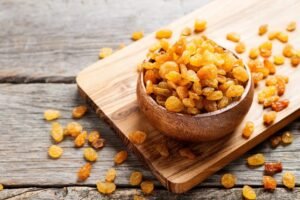
Kishmish, commonly referred to as dried grapes or raisins, is a processed fruit product obtained by controlled dehydration of mature grapes. In global trade, kishmish is valued not just as a dry fruit, but as a functional ingredient that delivers sweetness, texture, and shelf stability across multiple food categories.
For export buyers and bulk purchasers, kishmish is assessed as an agro-processed commodity, where processing discipline, moisture control, and grading accuracy directly impact usability and cost efficiency.
1. Commercial Understanding of Kishmish
In bulk trade terminology, kishmish refers to cleaned, dried, graded, and stabilized grapes intended for long-term storage and industrial use. Unlike fresh grapes, kishmish offers predictable performance in manufacturing due to its low water activity and concentrated sugars.
Common commercial types include:
- Green Kishmish – naturally sun or mechanically dried
- Golden Kishmish – treated and dried for color and softness
- Black Kishmish – dried from darker grape varieties
- Seedless and seeded variants depending on application
Each type differs in sweetness, color stability, and texture, which buyers must align with their end product.
2. Processing Method & Its Impact on Quality
The drying process is the most critical factor influencing kishmish quality:
- Grape maturity at harvest determines sugar content (Brix)
- Pre-washing and sorting remove damaged or immature grapes
- Pre-treatment (if any) improves drying uniformity
- Drying (sun or mechanical) reduces moisture gradually
- Conditioning allows internal moisture equalization
- Cleaning, stem removal, and grading
- Optional oiling to improve flow and prevent clumping
- Final packing under hygienic conditions
Improper drying leads to case hardening, stickiness, fermentation, or microbial growth, all of which reduce export acceptability.
3. Key Quality Parameters Buyers Should Evaluate
Professional bulk buyers assess kishmish using measurable parameters:
- Moisture Content: Typically 13–16% (critical for shelf life)
- Water Activity: Low enough to prevent microbial growth
- Sugar Profile: Natural fructose and glucose levels
- Color Consistency: Uniform as per grade specification
- Texture: Soft, elastic, non-fermented
- Foreign Matter: Nil tolerance
- Infestation & Mold: Zero presence
Consistency across lots is especially important for automated bakery and confectionery lines.
4. Grades, Sizing & Bulk Packaging
Kishmish is commercially graded based on:
- Berry size (small, medium, bold)
- Color uniformity
- Surface finish
- Softness and stickiness level
Bulk packaging typically includes:
- 10 kg, 12.5 kg, or 25 kg cartons or PP bags
- Inner food-grade poly liners
- Moisture-barrier packaging for export containers
Custom grading and packaging are common for contract buyers.
5. Functional Role in Food Manufacturing
Beyond taste, kishmish performs several functional roles:
- Natural sweetener reducing refined sugar usage
- Moisture retention in baked goods
- Texture enhancement in cereals and bars
- Visual appeal in retail and premium foods
These properties make kishmish a preferred ingredient in clean-label and value-added food formulations.
6. Storage Stability & Logistics
For bulk buyers, kishmish offers strong logistical advantages when properly handled:
- Shelf Life: 9–12 months under controlled conditions
- Ideal Storage: Cool, dry, low-humidity environment
- Temperature Sensitivity: Excess heat causes sugar crystallization
- Transport: Containerized shipping with minimal spoilage risk
Improper storage can lead to hardening, color darkening, or off-flavors, even if the product was initially good.
Frequently Asked Questions (Buyer-Focused)
Because even small moisture variations can lead to fermentation, mold growth, or stickiness during storage and transit.
Color treatment mainly affects appearance and softness. Nutritional value remains largely unchanged, but residue compliance is important.
Properly conditioned kishmish retains moisture, prevents excessive drying in baked goods, and provides controlled sweetness release.
Yes. Grape variety, harvest conditions, and drying climate influence yearly quality, making supplier consistency important.
High moisture, uneven grading, sugar crystallization, sulfur residue, and infestation are the main risks.
